Five Houses In, What Restraint Actually Means
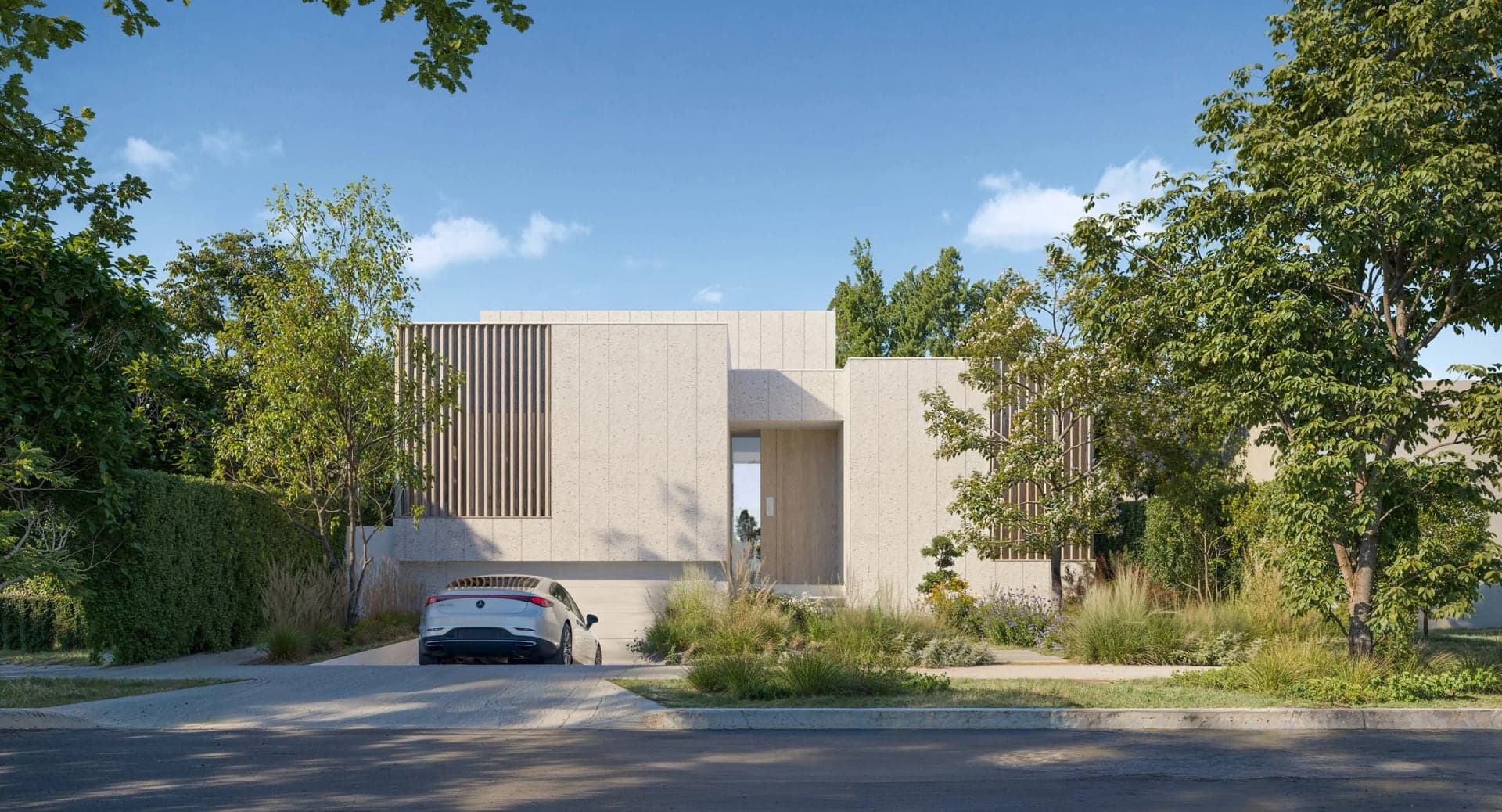
Five houses in. One of the things I am learning from the Case Study Adapt series is that the word 'restraint' gets used so often in architectural writing that it has lost most of its meaning — but every house in this program reminds me what it actually requires. CSA #5, the Rafferty House by Montalba Architects, is the project that has made the lesson clearest so far. The home was designed for an artist, and that orientation shapes the entire project. Restraint here is not absence. It is discipline.
A Plan That Knows What It Wants
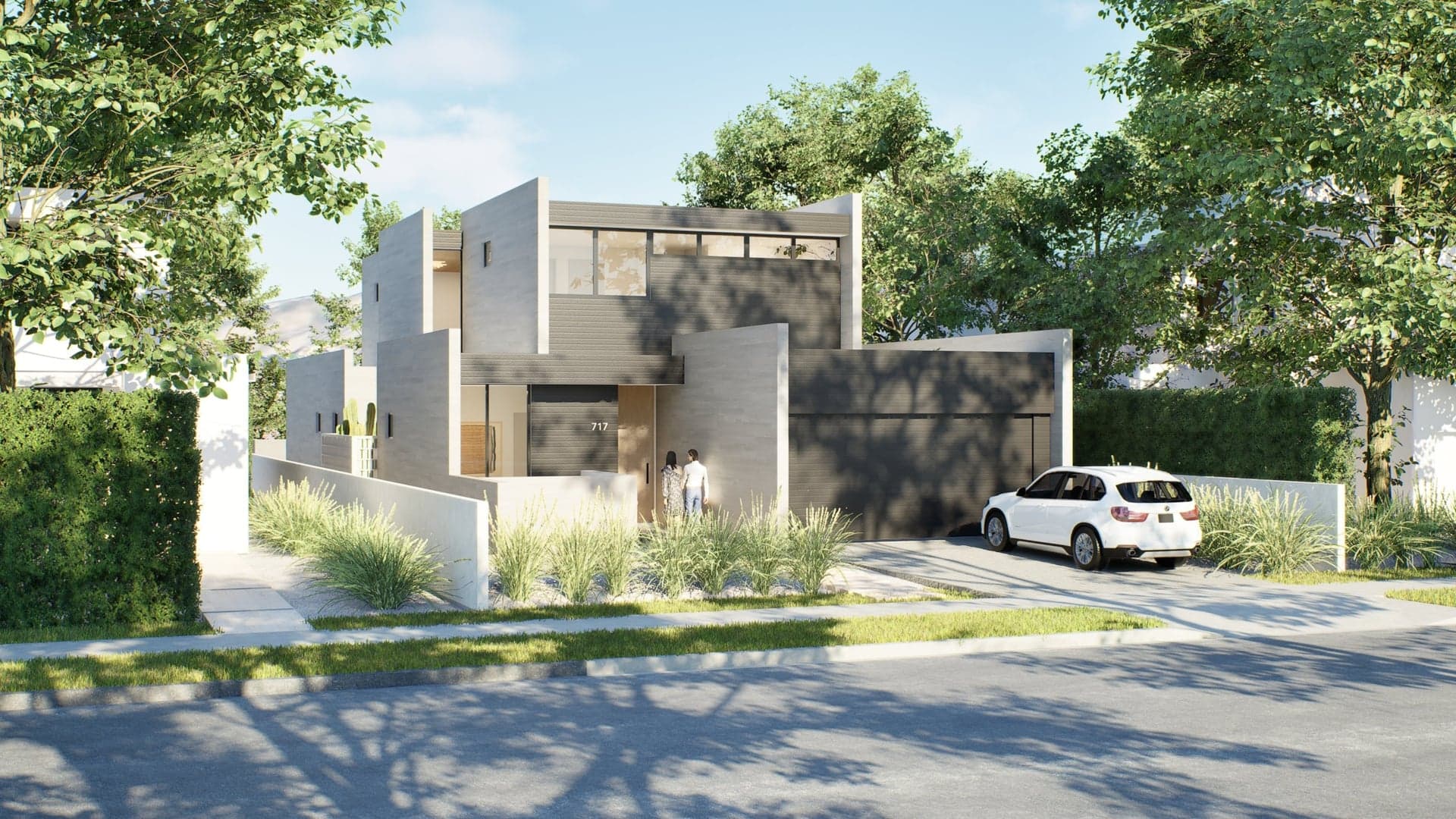
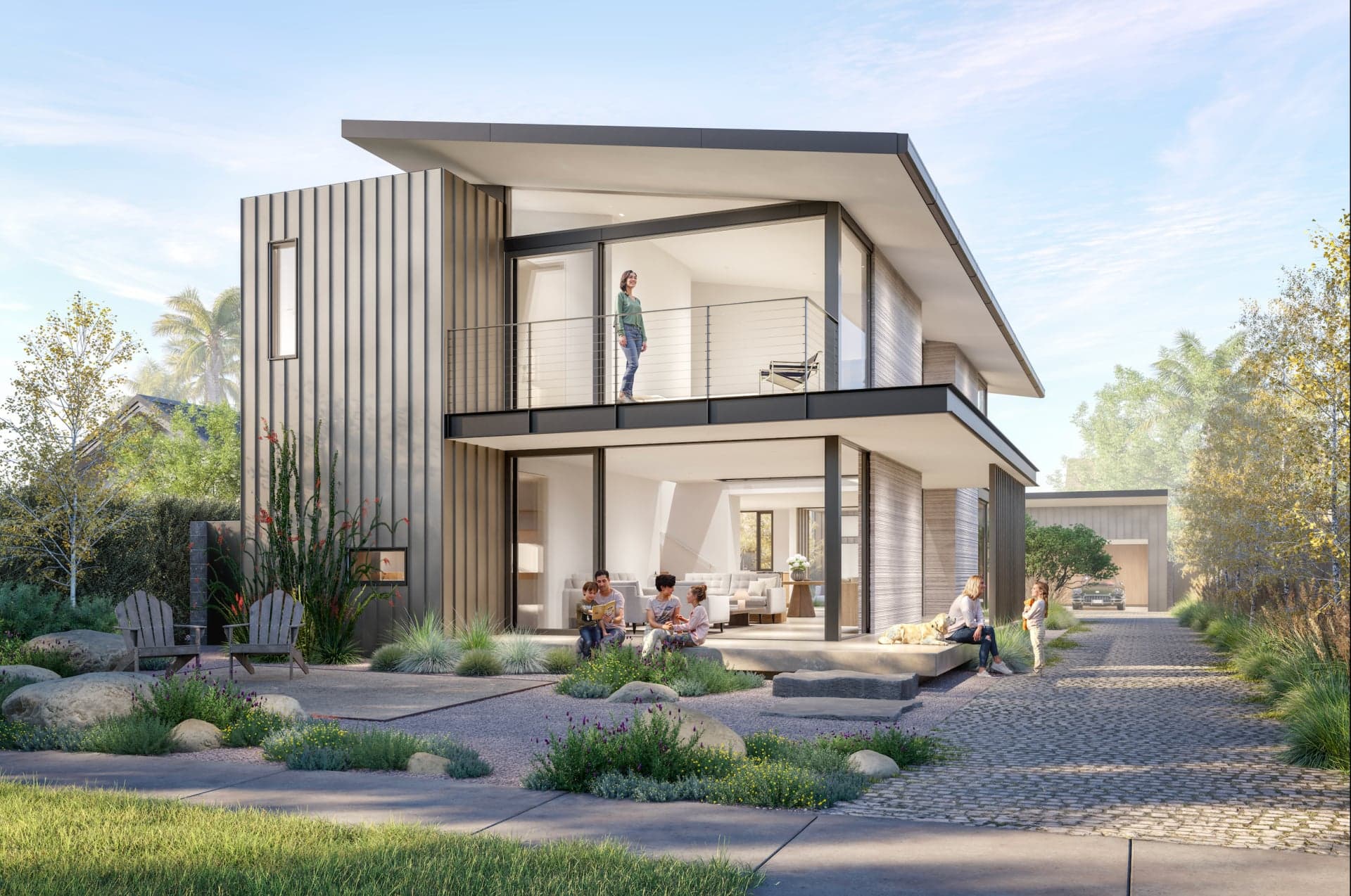
Montalba Architects has built the home around a nested courtyard that functions as both the programmatic and emotional heart of the residence. The interior volumes fold inward, protecting privacy on a coastal site while still preserving the indoor-outdoor flow that defines so much of California residential design. The plan reads quietly. It also reads correctly — every move is doing what the brief asked of it, and nothing else. A plan that knows what it wants is rarer than people think, and easier to feel than to describe. When we walk a finished home for the first time and the rooms are doing what the architecture promised they would do, the team that made it earned the result.
Light as a Material, Held Across Field Execution
Where the project becomes especially interesting is in how it treats light. Sculpted light wells at the entry, the kitchen, and the primary suite filter daylight through the day, producing the soft, shifting glow that animates the minimalist interior. Light is not described here as illumination — it is treated as a material, and the architecture is shaped to work with it. Light wells are unforgiving to build; the geometry has to be right or the entire effect collapses, which means somebody on the team has to be making sure the field execution matches the design intent at every step. When it lines up the way it does here, the home becomes a kind of slow, daily piece of choreography.
Defensible Space as Design Discipline
The fire-resilience strategy is rigorous without being loud. Non-combustible cladding wraps the envelope. Tempered glazing handles the larger openings. Ember-resistant venting closes off the path of least resistance during an event. Outside, the courtyard is laid in rockscape with native plantings — and crucially, no vegetation appears within five feet of any structure. Defensible space here is treated as a design discipline rather than a code minimum. That distinction is the part of the conversation I always want our own clients to understand: the resilience strategy does not have to compromise the architecture, but it has to be designed in alongside it from the beginning. Bolted on afterward, it never works as well and never looks right.
Designed to Keep Working
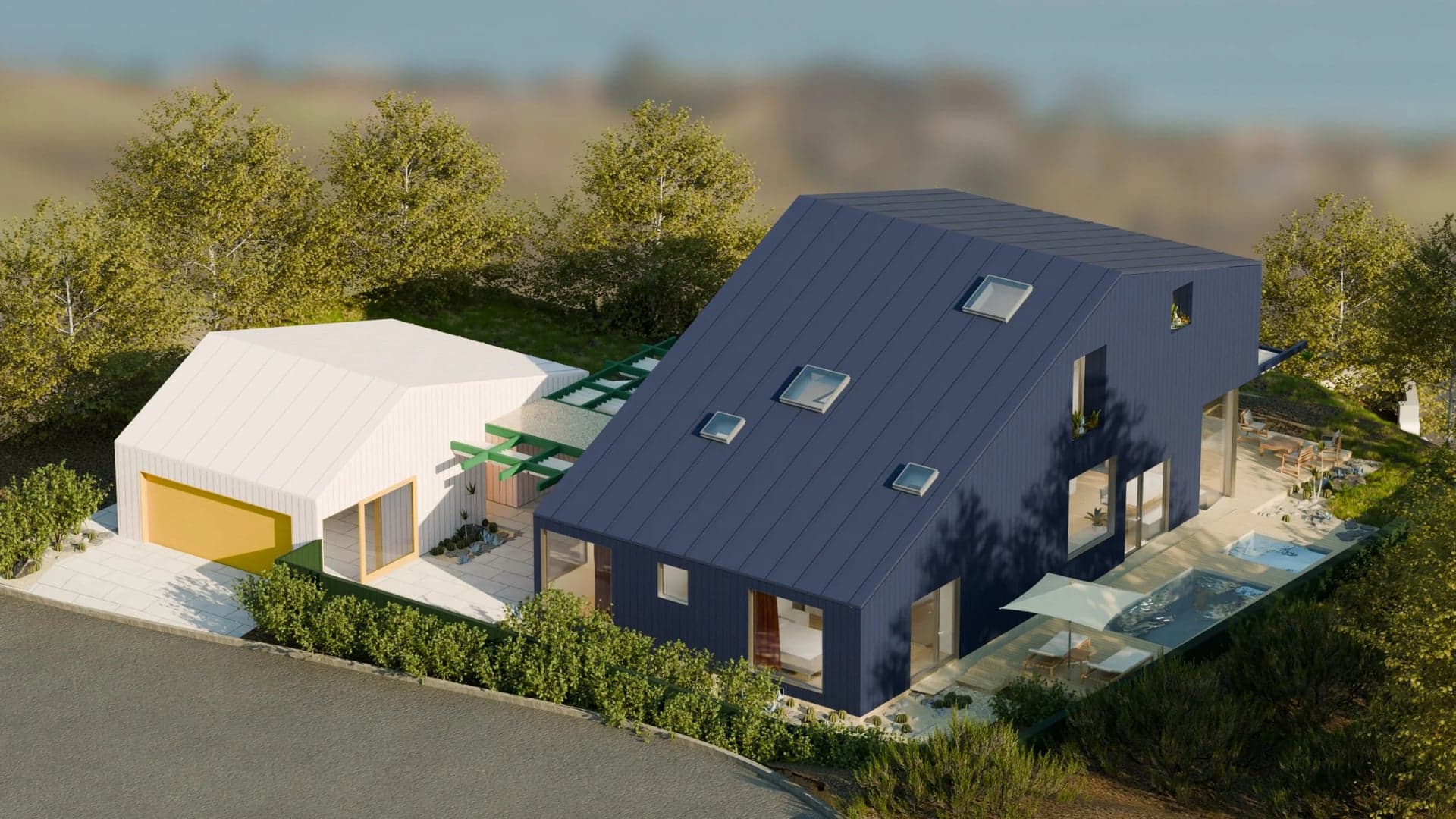
Energy independence rounds out the resilience picture. Solar panels with battery storage carry the home through grid disruptions, while operable windows pull cool coastal air through the rooms. The home is designed to keep working when the systems around it stop, which is increasingly the meaningful definition of resilience anywhere wildfire and the public-safety power shutoffs that follow have become near-annual realities. We are designing toward the same standard on the projects we are working on now in our own region. Energy resilience and architectural beauty are not in tension. They are the same long conversation.
Restraint at Full Strength
Montalba Architects has built a strong reputation for material restraint and spatial precision, and the Rafferty House is the firm operating at full strength. Calling something a 'restrained palette and honest materials' is easy. Designing to that standard, on a site like this, with the constraints this brief carried — that is the work, and it is the work I am here to celebrate as the Case Study Adapt program rolls out. Five houses in, the program continues to repay the attention. Read the full Rafferty House project on Case Study Adapt: https://www.casestudyadapt.org/houses-in-development/project-six-sz8wl-d64c9-gb95m-ndyde-rmlbl.
Frequently Asked Questions
What is the Rafferty House by Montalba Architects?
The Rafferty House is the fifth project in the Case Study Adapt series — a coastal residence designed by Los Angeles firm Montalba Architects for an artist client. The home is built around a nested courtyard with sculpted light wells at the entry, kitchen, and primary suite that filter daylight through the day. It pairs gallery-quality interior light handling with non-combustible cladding, ember-resistant venting, and a five-foot vegetation-free perimeter.
What does it mean to treat light as a building material?
Treating light as a building material means designing the architecture around how daylight will move through the home rather than relying on artificial illumination after the fact. Light wells, clerestory windows, oriented openings, careful overhang depths, and reflective surfaces are all calibrated so that the interior changes character through the day and across the seasons. It is one of the oldest disciplines in serious residential architecture and one of the easiest to lose during execution if the team is not paying attention.
Who are Montalba Architects?
Montalba Architects is a Los Angeles–based firm with a strong reputation for material restraint and spatial precision in residential and commercial work. They have two contributions to the Case Study Adapt series — the Rafferty House and the Conte House — which together demonstrate how a single mature design vocabulary can produce very different formal answers to the same brief.
What is solar-with-battery and why is it part of a fire-resilient home?
A solar-plus-battery system pairs photovoltaic panels with on-site battery storage so the home can keep functioning when the electrical grid goes down. In wildfire-prone regions, public-safety power shutoffs and grid disruptions during fire events are increasingly common, so on-site energy resilience is now a standard part of serious residential design. The same logic increasingly applies to rural homes in Oregon where storms, wildfire smoke, or summer heat events can affect grid reliability.
How can the design ideas in the Rafferty House apply to a coastal Oregon home?
The Rafferty House's nested-courtyard plan, controlled daylight strategy, non-combustible cladding palette, and energy-resilient systems all translate well to coastal and rural Oregon work — especially homes designed for extended occupancy on remote sites where a power outage or weather event should not affect the family's ability to live in the home comfortably.
The Building Journey
See how we design and build your home, step by step.
Floor Plans
Browse 15 customizable designs from 1,635 to 5,628 sq ft.
Service Area
We build across Yamhill County, Sherwood, Hillsboro, and wine country.
Ready to Talk About Your Project?
Get expert guidance from Oregon's trusted custom home builder.