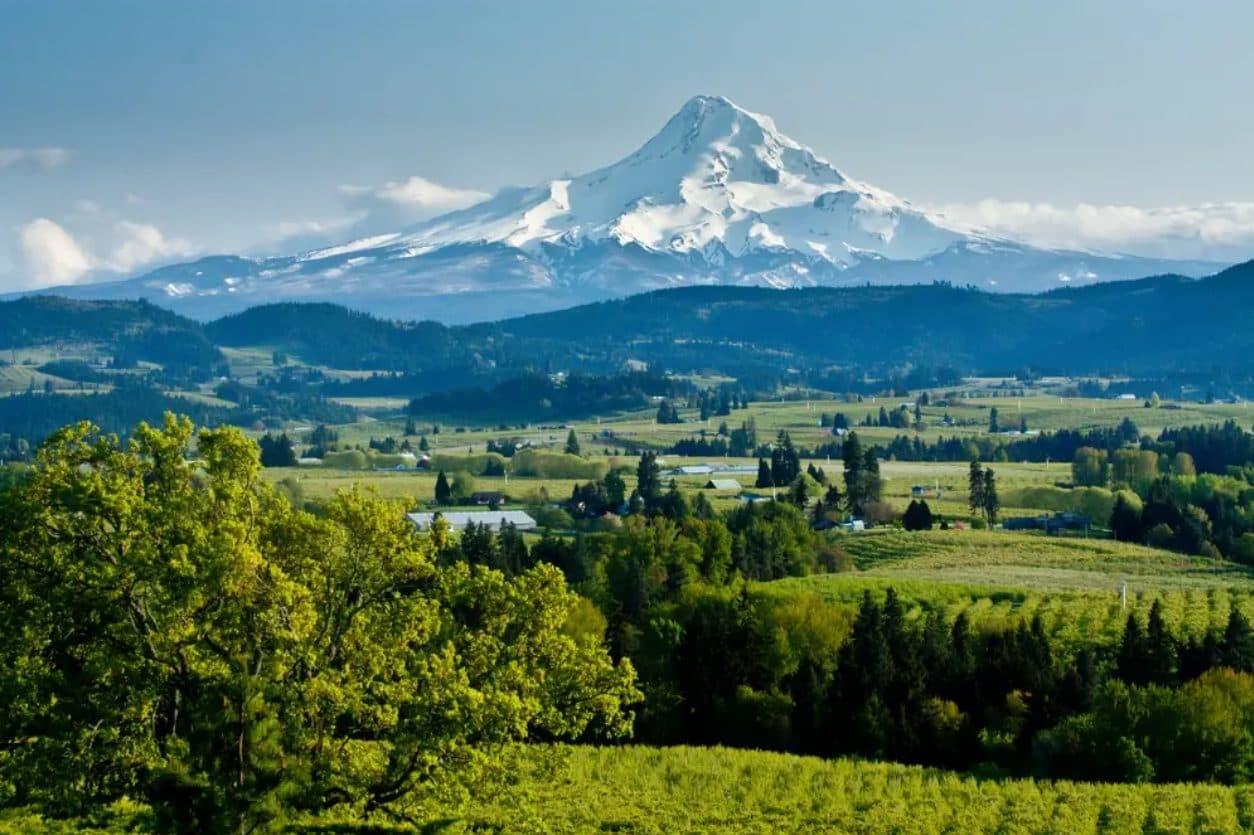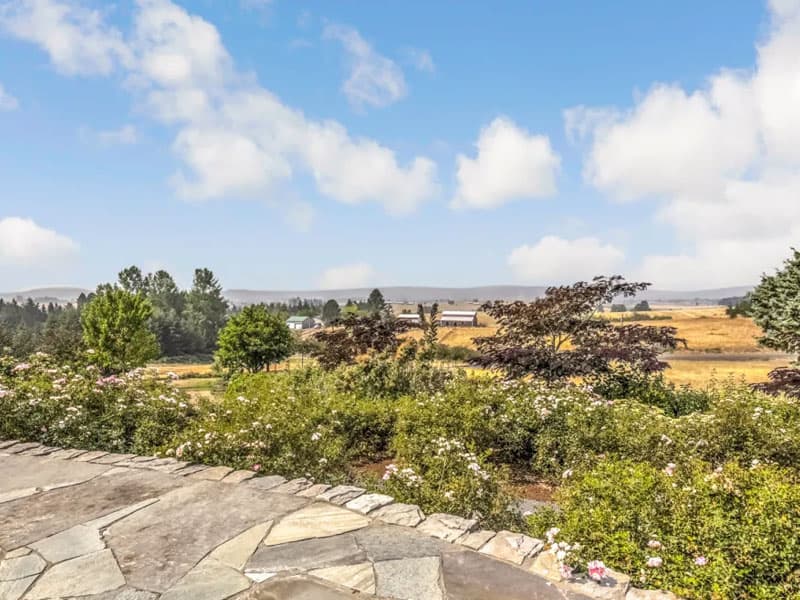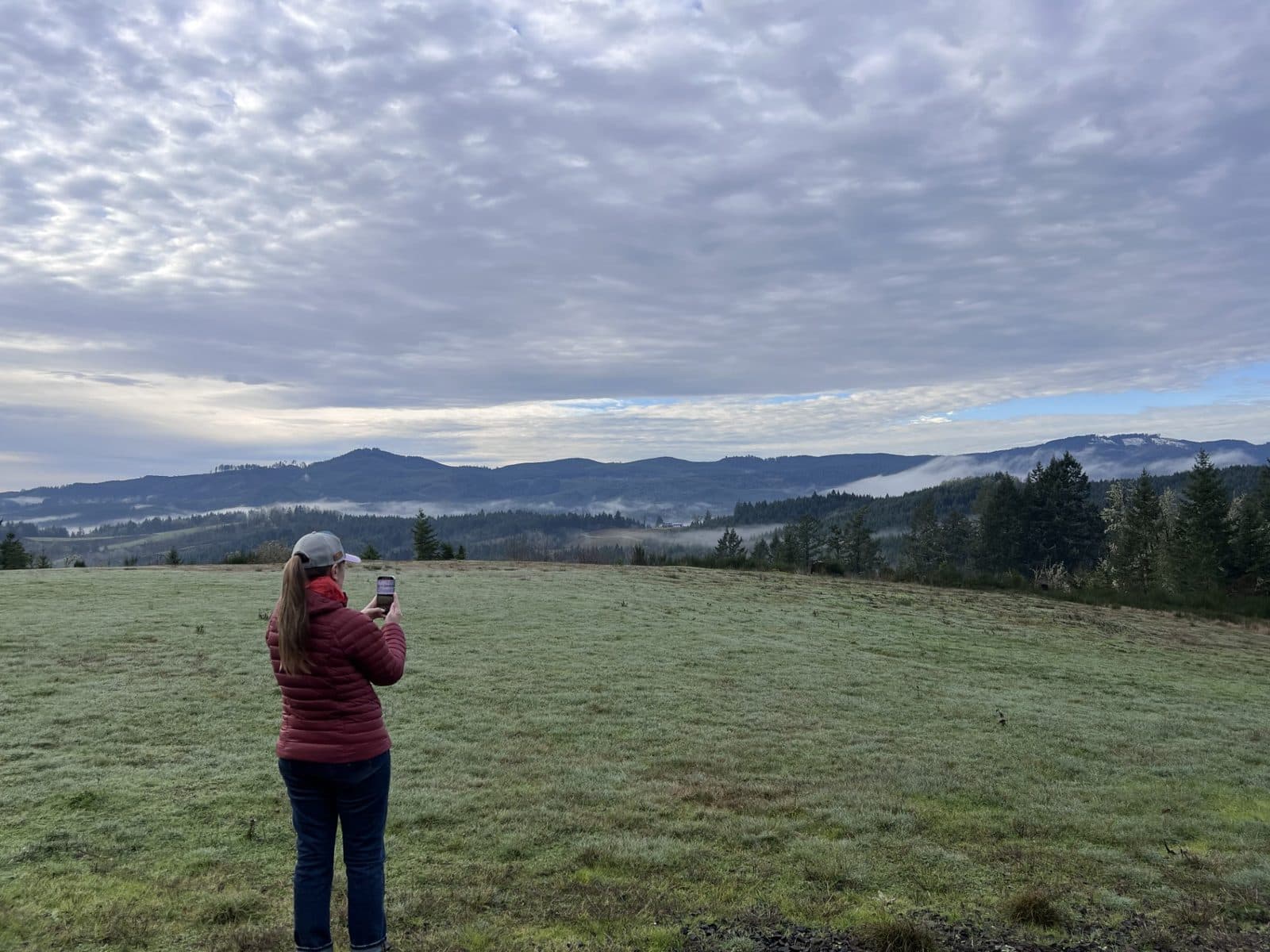
Oregon wine country is some of the most beautiful land in the country to build a home on. The Dundee Hills, the Eola-Amity Hills, the Chehalem Mountains, the Coast Range foothills, and the Yamhill-Carlton AVA are all producing extraordinary residential architecture right now — homes shaped by the topography, oriented toward the views, designed for the way the light moves across the valley through the seasons.
I've been building in this region for over twenty years, and the work has gotten better as the conversation about what a thoughtful rural home should look like has matured. This post is the practical, builder's-eye guide to what's actually involved when you build on rural land in this region — written for anyone who already owns a piece of land or is seriously considering buying one.
Why Rural Wine Country Is a Different Builder Conversation
Building on rural land is a different builder conversation than building on a city lot, and the difference matters from the very first design meeting. City lots come with municipal water, sewer, and power at the property line; rural acreage requires you to build the infrastructure yourself. City lots have setbacks and HOA review; rural acreage has slope, drainage, septic feasibility, fire-resilience exposure, and access logistics.
City lots have predictable permitting timelines; rural acreage varies dramatically by county. None of this makes rural building harder in some absolute sense. It makes it different — and the right builder for rural work has spent enough time on this kind of land to know what the real constraints are before any design begins.
The Site Evaluation Every Rural Lot Deserves
The site evaluation that should happen before you talk pricing is the most important step in any rural project. Before we recommend a design direction or quote a build, we walk the lot and conduct a paid evaluation that covers seven specific areas. Soil testing and geotechnical investigation tell you whether the lot supports a standard or engineered foundation. Slope and drainage analysis tell you what grading is realistic and where water is going to go. Septic feasibility (the perc test) confirms whether a residential septic system is viable and what type the soils require.
Water source evaluation looks at the well drilling depth and yield estimates from neighboring properties, water rights status, and recharge characteristics. Utility and access assessment covers distance to power, gas, fiber, and an acceptable driveway routing including any easement issues. Zoning and land use review determines what the county will let you build, setback requirements, and any active conservation easements. Fire-resilience exposure addresses wildland-urban interface designation and defensible space requirements. The evaluation typically costs $3,000 to $8,000 and is the single best dollar a rural-land custom home buyer spends. We credit it back against the design fee when clients move forward.
Permitting Realities by County
Permitting realities vary significantly by county. Yamhill County, where most of our wine country work lands, typically permits standard rural residential construction in six to twelve weeks once the application is complete. Properties requiring land use review (lots that need a partition, a conditional use permit, or a variance) can run three to six months. Polk County is similar. Washington County rural permits are slightly longer (eight to twelve weeks for standard construction).
Clackamas County rural permits run ten to sixteen weeks. Tillamook County and Lincoln County coastal permits often add Oregon Department of Land Conservation review and can take twelve to twenty-four weeks total. Columbia County is variable. We handle every permit, inspection, and submittal for our clients on every project. The county counter is not somewhere you should ever have to spend an afternoon during the design or construction of your custom home.
What Rural Site Development Actually Costs
What rural site development actually costs is the question most prospective clients ask in some form. The honest answer is that it typically adds $80,000 to $200,000 to a residential build before vertical construction starts. Well drilling runs $15,000 to $25,000, deeper or harder geology pushing higher. Septic installation runs $20,000 to $40,000 for a standard system, $50,000 or more for sand-filter or alternative treatment systems on poorer soils.
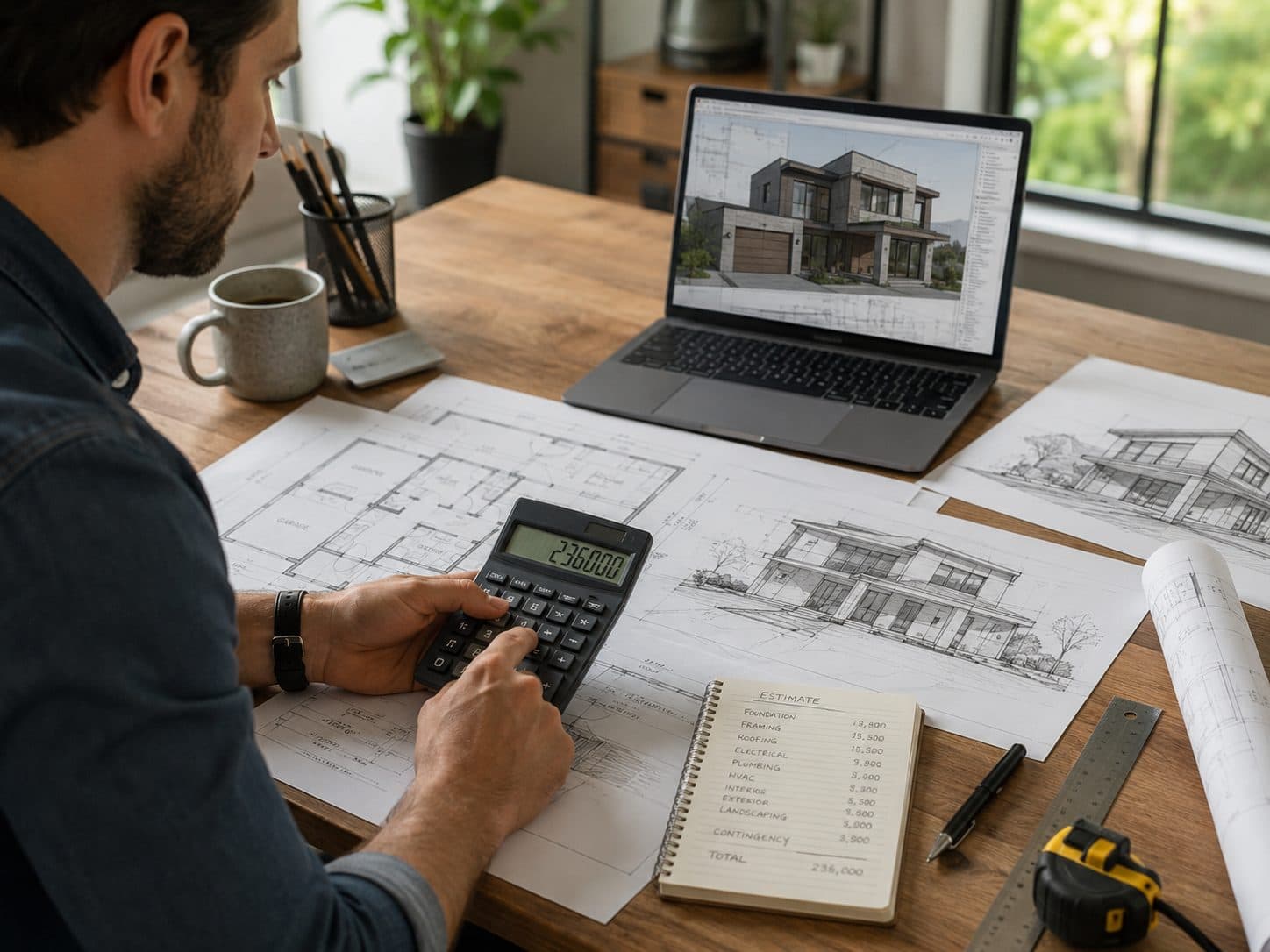
Power line extension is highly variable depending on distance from the road, sometimes $50,000 or more on parcels deep in the woods. Driveway construction runs $5,000 to $30,000 for a standard 200-foot gravel drive; longer or paved drives can be substantially more. Surveying and geotechnical work runs $5,000 to $15,000. Site clearing and grading is highly variable. Permit fees and system development charges run $5,000 to $25,000 depending on jurisdiction. Every line item is real and every line item is honestly estimable for a specific lot once we've walked it.
Designing for the Land Instead of Fighting It
Designing for the land instead of fighting it is the single most important design conversation on any rural project. The best rural Oregon homes I've built work with the topography rather than against it. Sloped sites can produce extraordinary architecture when the design responds to the contours — daylight basements that step into the hillside, cascading volumes that cross the slope, view-oriented placements that ignore the easy way to lay out the home.
Septic placement is a real design constraint on rural sites and one most homeowners haven't thought about until late in the process; the leach field needs to be located where the soils support it, which sometimes means the ideal home placement isn't viable and the design has to negotiate. Driveway routing affects construction logistics, ongoing access, and emergency vehicle access during a fire event. Solar orientation determines passive heating gain and rooftop photovoltaic potential. View orientation determines what windows the home actually wants. All of these decisions interact, and getting them right takes a builder and architect who have walked the lot together early in the process.
Wildfire and Water Resilience for Rural Homes
Wildfire and water resilience increasingly belong in any rural Oregon home. The conversation that used to be about Southern California is now an Oregon conversation, and the rural lots our clients buy in the Chehalem Mountains, the Eola Hills, the foothills of the Coast Range, or the Cascade foothills are increasingly identified as wildland-urban interface zones. A residential well with backup power is a meaningful asset during prolonged outages. A swimming pool with a dedicated solar-powered pump becomes an emergency water reserve. A graywater system reduces potable water demand and creates additional landscape resilience during extended drought.
A solar array paired with battery storage lets the home keep functioning through public-safety power shutoffs. Defensible space landscaping with a five-foot vegetation-free perimeter, fire-resistant native plants in Zone 1, and reduced fuel loads in Zone 2 is now baseline rather than upgrade. None of these are dramatic decisions on their own. Together they're what determines whether a rural home keeps working when the systems around it stop. We have a separate, in-depth post on wildfire-resilient construction in Oregon that covers this in more detail.
Why Integrated Design-Build Matters More on Rural Sites
Working with an integrated design-build team on rural property has structural advantages that matter more than they do on city lots. The communication burden on rural projects is heavier — there's more for the homeowner to understand about what's happening, more decisions that involve the lot's specific conditions, more coordination between the design team and the field crew when reality intersects with the drawings.
An integrated team where the architects and the builders are part of the same firm closes the gap between what was designed and what gets built. There's no negotiation between two firms with different priorities when the geotech report comes back with surprising results, or when the well comes in lower than projected, or when a structural change is needed because of an unexpected soil condition. There's one team owning the entire project. On rural acreage, that ownership matters more than it does on a flat city lot.
What a Rural Yamhill County Project Typically Looks Like
Most of the Creekside Homes projects on rural Yamhill County or Polk County land in the last few years have followed roughly the same shape. Initial conversation about the family's vision and the specific lot. Paid site evaluation that covers the seven areas above. Design phase of two to four months that's grounded in what the site actually supports rather than abstract preferences. Permit phase of six to twelve weeks. Construction phase of nine to fourteen months depending on size. Total project timeline from first call to keys is typically twelve to twenty months. We're honest about that timeline at the start, and the schedule realism is one of the things we protect carefully through the project.
How to Start the Conversation
If you own rural acreage in Yamhill County, the Dundee Hills, the Eola Hills, the Chehalem Mountains, or any of the other rural areas where wine country meets greater Portland, and you're starting to think about what a custom home on that land could look like, the right time to start the conversation with a builder is earlier than most people think.
We work with clients who are still in the design-thinking phase, before any architect has been engaged, just as readily as we work with families who already have schematic drawings. The earliest conversations are often the most useful, because the lot's specific constraints can shape the design in ways that the homeowner can't anticipate without a builder's perspective. The contact form on this site or a direct call to (503) 461-7046 is the easiest way to start. The first conversation is honest, useful, and free.
Frequently Asked Questions
How much does it cost to build a custom home on rural acreage in Yamhill County?
A typical 3,000-square-foot custom home on rural Yamhill County acreage in 2026 runs $1.6M to $2.2M total. That breaks down to $1.4M to $1.8M for vertical construction at current per-square-foot ranges, plus $80,000 to $200,000 for rural site development (well, septic, utility extension, driveway, geotech, clearing), plus $25,000 to $60,000 for design and permit fees. Rural acreage in the Dundee Hills, Eola Hills, and Chehalem Mountains tends to land in the upper end of this range.
What is a perc test and why does it matter for rural Oregon land?
A perc test (more accurately called a septic feasibility study) determines whether the soils on a rural property can absorb wastewater at a rate sufficient for a residential septic system. In Oregon, every rural lot without municipal sewer requires this evaluation before a septic permit will be issued. If you're considering buying rural land, get a feasibility study as a contingency before closing — a failed perc test can make an otherwise beautiful parcel completely unbuildable. The test costs $400 to $1,500 in most jurisdictions and is the cheapest insurance available against a six-figure mistake.
How long does permitting take in Yamhill County for a custom home?
Standard rural residential permitting in Yamhill County in 2026 typically takes six to twelve weeks once the application is complete. Properties requiring land use review (partition, conditional use, variance) can run three to six months. City of McMinnville and City of Newberg permits run two to four weeks for standard residential. We handle every permit, inspection, and county submission for our clients across every Yamhill County project.
Do I need a well and septic system on rural Oregon land?
Almost always, yes. Rural Yamhill, Polk, Washington, Clackamas, Tillamook, and Lincoln County properties without municipal services require both a residential well for water and an on-site septic system for wastewater. Well drilling typically costs $15,000 to $25,000, and septic installation runs $20,000 to $40,000 for a standard system. Soil quality and depth determine whether a standard, sand-filter, or alternative treatment system is required.
Can I build on a sloped or hillside lot in wine country?
Yes, and many of the most extraordinary homes in this region sit on sloped lots. The architecture has to be shaped by the site rather than fought against it — daylight basements, cascading volumes, view-oriented placements that work with the topography. Sloped lots also bring real engineering and construction cost: more complex foundations, retaining walls, drainage strategy, and grading. We've worked with hillside lots in the Chehalem Mountains, the Eola Hills, and the Coast Range foothills for over twenty years and know what's involved.
What's the difference between building in Yamhill County vs. Washington County?
Yamhill County offers larger lot sizes, lower per-acre cost, more rural-character zoning, and the wine country setting most clients are after. Permitting times are typically faster than Washington County. Washington County offers proximity to Portland and the tech corridor, more municipal services on more parcels, but generally smaller rural lot sizes and more restrictive zoning. The right choice depends on the lifestyle you want, your commute requirements, and the specific lots available in each market.
How do I find buildable land in Oregon wine country?
Work with a regional realtor who specializes in buildable rural lots, and engage a builder early to evaluate properties before purchase. We work with a network of realtors across Yamhill, Polk, and Washington counties and routinely help clients evaluate parcels before they make an offer. The earliest conversations are the most valuable — the wrong piece of land is the single most expensive mistake we see in this business, and it's almost always knowable in advance.
Can you build on a vineyard property in Oregon?
Yes, and many of our projects sit on or adjacent to working vineyards in the Dundee Hills, Eola Hills, Yamhill-Carlton, and Chehalem Mountains AVAs. Vineyard properties bring specific design considerations: relationship to the vines, view orientation toward the rows, fire defensible space integration with the agricultural use, and sometimes farm-zoning constraints that affect what can be built. The right design honors the agricultural setting rather than ignoring it.
Do I need a separate ADU or guest house on rural acreage?
Increasingly, yes — even if it's not built on day one. Designing the parcel with a future ADU footprint, utility stub-outs, and a thoughtful relationship to the main residence is dramatically less expensive than retrofitting one later. ADUs are useful for multi-generational living, guest accommodations, future rental flexibility, and aging-in-place. Yamhill County and most surrounding counties allow ADUs on rural-zoned acreage subject to specific size and setback requirements.
When should I start talking to a builder about a custom home on rural land?
Earlier than most people think. We have the most useful conversations with families who are still in the design-thinking phase, before any architect has been engaged. The lot's specific constraints can shape the design in ways the homeowner cannot anticipate without a builder's perspective, and starting the conversation early means the design responds to the site's reality rather than fighting it. The first conversation is honest, useful, and free.
The Building Journey
See how we design and build your home, step by step.
Floor Plans
Browse 15 customizable designs from 1,635 to 5,628 sq ft.
Service Area
We build across Yamhill County, Sherwood, Hillsboro, and wine country.
Ready to Talk About Your Project?
Get expert guidance from Oregon's trusted custom home builder.